Luxury Restaurant Interior Design: How to Design an Unforgettable Upmarket Experience
Introduction
In today’s world of fancy dining, good food is only part of the picture. What really makes everything complete, though, is the ambiance. How a restaurant presents itself, how it feels to walk in and sit down. A well thought out luxurious interior won’t just match the food but it will create a lasting impression that lasts and brings customers back for more.
Everything about it has clearly been designed to make you feel like you are dining at an elevated level, from the moment you walk through the doors, until the placement of every item on the table. Here, we present successful design maneuvers that enable architects, interior designers and restaurateurs to take a humdrum space from drab to fab as they elevate it into a sophisticated restaurant that channels elegance and exclusivity.
1. Layout Putting on the Ritz
1.1 First Impressions Start at the Door
Before a single dish is served, an entryway offers your opportunity to impress. Large doors, bold facades or dramatic art installations immediately communicate that this is not just somewhere to eat, here is a discovery. A statement piece, such as a large chandelier or sculpture, makes them feel like they’re walking into something special and that their guests are going to have a really luxurious experience inside.
1.2 Flow, Comfort, and Privacy
Gourmet dining is not just about cramming as many tables in as you can. Instead, the layouts are all about the makings of cozy and close living spaces. There is enough space for private conversations, and servers can move easily between tables. The result? Function and ambience blend together seamlessly.
2. Opulent Materials: The Language of Luxury
2.1 Marble and Natural Stone
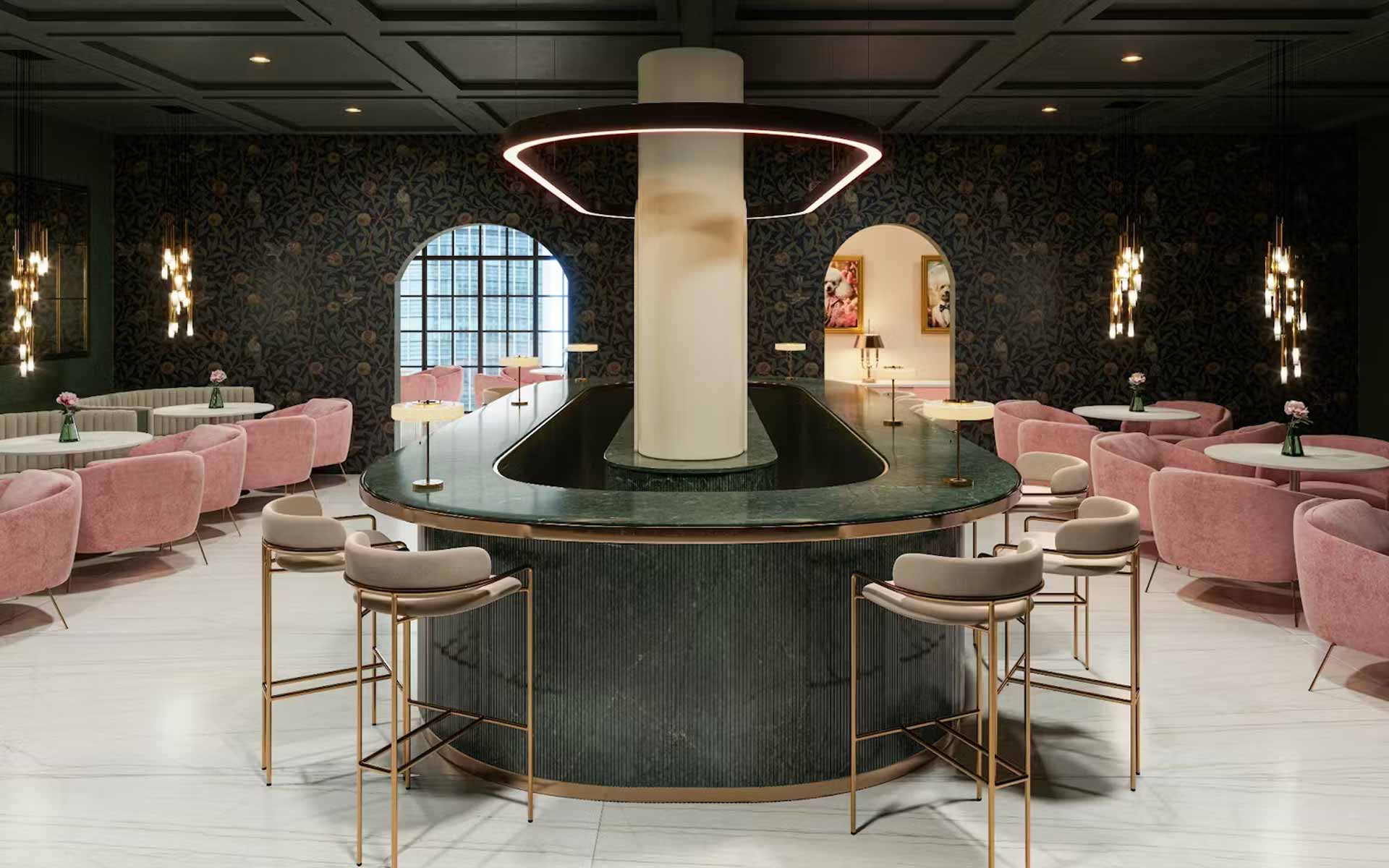
There are few materials that whisper “luxury” quite like marble. From backlit polished bar tops to features walls made from onyx, the use of natural stone communicates elegance that lives endless lifetimes.
2.2 Woods and Custom Finishes
Dark woods such as walnut, oak or a veneer of exotic wood like, say, ebony, can bring depth and exclusivity. Custom elements, such as sculpted panels or invisible joinery, demonstrate real workmanship.
2.3 Metallic Touches
Gold, brass or brushed steel touches on lighting fixtures, shelving or furniture frames add a low-key but high-impact refinement.
2.4 Luxurious Fabrics
From fabric velvet chairs to leather banquettes with perfectly starched white linens these personal touches bring an extra level of comfort and style to your dining setting.
3. Lighting: Designing Mood and Memory
3.1 Layered Illumination
The better interiors have more than one kind of lighting. It’s ambient light that establishes the base tone, accent lighting brings out features and task lighting provides function. All together, these layers lend the maison a sense of depth and atmosphere.
3.2 Iconic Chandeliers and Pendants
A statement chandelier is not a light, it’s an art work. Excavated from crystal, blown glass or the latest LED technology, a restaurant’s signature lighting fixtures can help define its identity.
3.3 Warm Tones and Candlelight
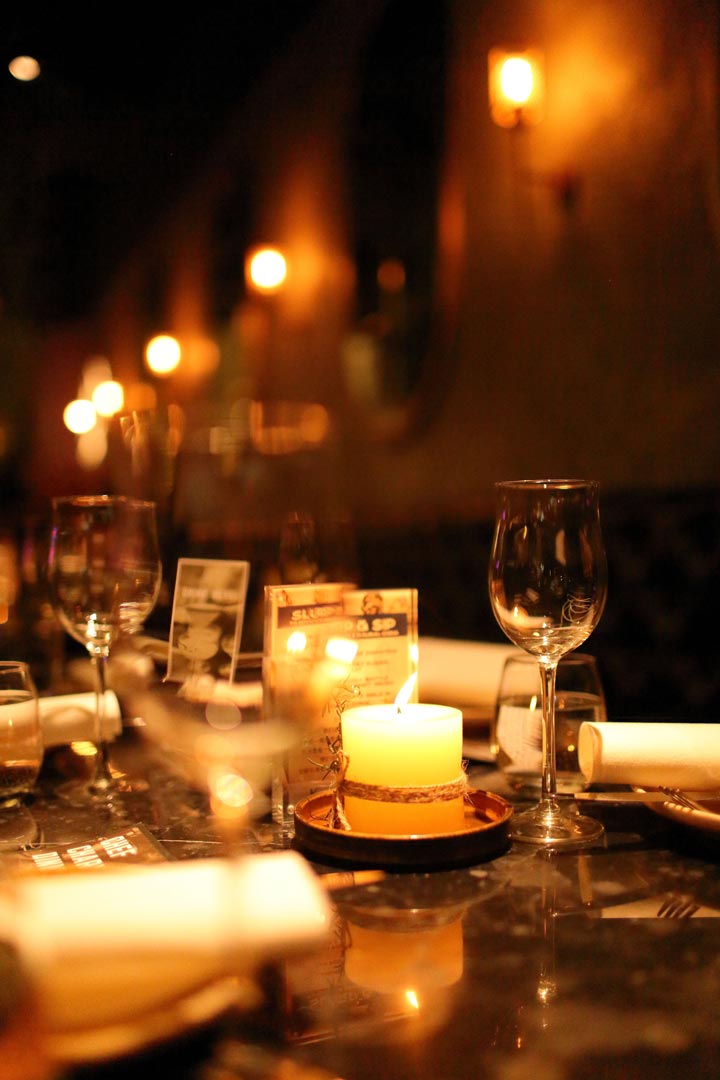
Lighting in warmer tones (approximately 2700K–3000K) equals cozy and chic. Add some candles, and anyone would find it intimate.
4. Color Palettes That Whisper Luxury
4.1 Classic Neutrals
Features the perfect ivory, beige and charcoal colour tones as the backdrop. They leave room for other design features to shine, such as artwork or statement furniture.
4.2 Jewel Tones for Depth
Deep jewel emerald, sapphire or ruby shades on upholstery or accents bring richness without becoming overbearing.
4.3 Minimalist Monochrome
White on white with touches of gold or brass communicates purity and refinement.
5. Furniture as a Sign of Prestige
5.1 Custom Seating
Custom pieces of furniture instantly sets a fancy restaurant apart. A chair they’ve never seen anywhere else.
5.2 Signature Tables and Bars
With marble table tops and custom wooden countertops, furniture serves dual purpose and is always a statement.
5.3 Comfort Meets Aesthetics
Luxury doesn’t mean sacrificing comfort. Real refinement is when a guest feels as comfortable as they feel impressed.
6. Art, Décor, and Cultural Identity
6.1 Curated Art
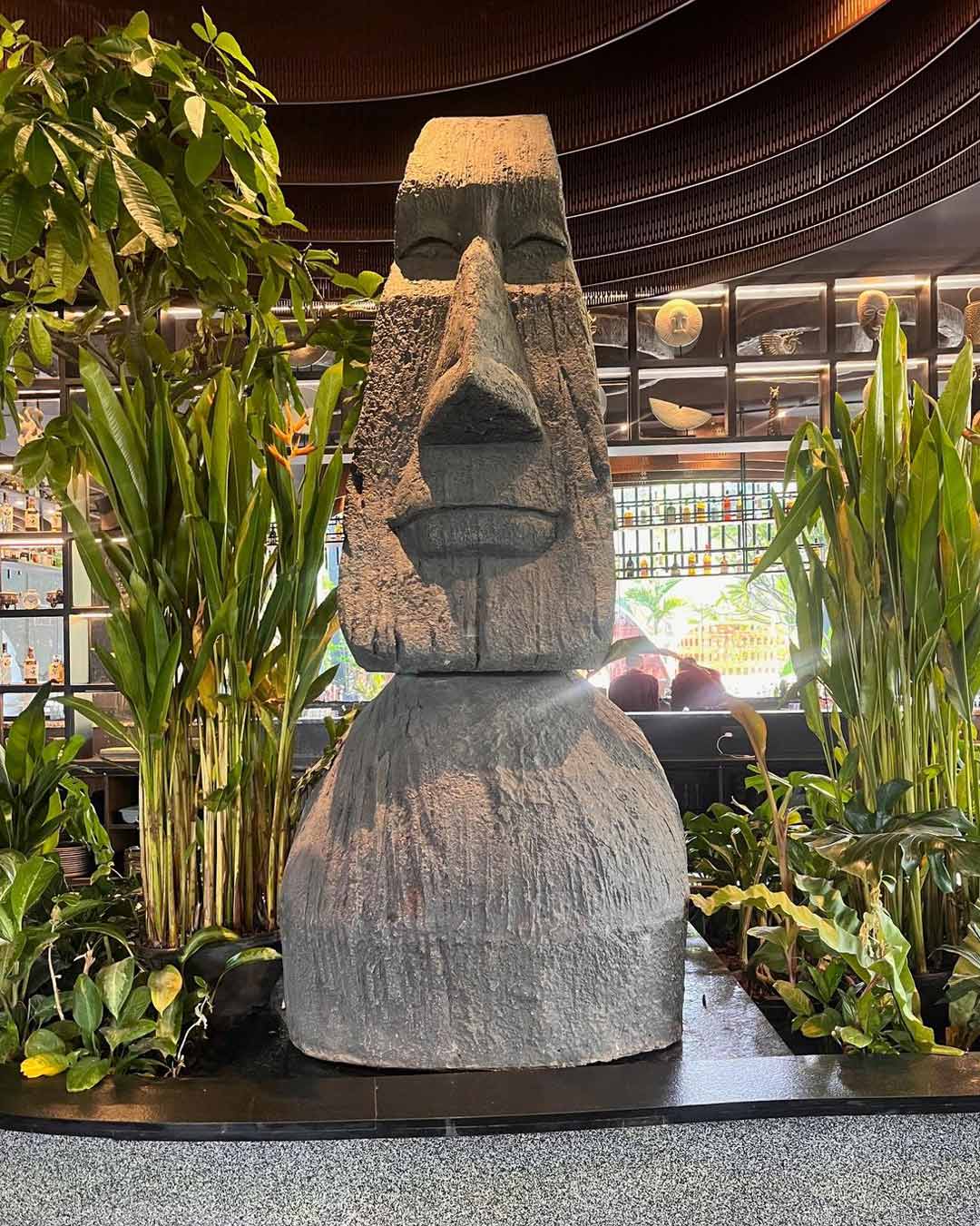
Collaboration with local or international artists provides a sense of authenticity and uniqueness. Sculptures, murals or rotating art installations can also reinforce the brand narrative.
6.2 Nature-Inspired Luxury
Greenery, living walls and biophilic design elements help bring customers closer to nature while elevating the space with freshness and luxury.
6.3 Cultural Storytelling
The fanciest of restaurants often narrate a story through cultural references, whether it be patterns, textures or images synthesized from the very hand-made and give them authenticity.
7. Smart Technology in Upscale Dining
7.1 Intelligent Lighting and Sound
intelligent systems provide smooth transitions between lunch and evening atmospheres; adjusting brightness and music volume.
7.2 Interactive Experiences
Projection mapping, digital menus, and immersive visuals cater to luxury diners, who are seeking one-of-a-kind tech-infused experiences.
8. Acoustic Comfort
Acoustics aren’t stupid things that you should not pay attention to. Acoustic panels, carpets and upholstered walls help keep noise to a minimum and protect your privacy, even at the priciest of restaurants. The result is a peaceful vibe where diners can talk and hear one another.
9. Restrooms as Extensions of Luxury
Even the restroom should be in line with a restaurant’s upscale persona. Barlow spec’d high-end fixtures, indirect lighting, scented candles and more upscale materials to make sure the luxury feel extended beyond the dining room.
10. Brand Consistency in the Interiors of Luxury Restaurants
Luxury restaurant design should convey brand identity on every touchpoint from type of store to choice of menu and staff uniforms. Such uniformity further strengthens the exclusiveness and results in loyal supporters for the long term.
Conclusion
Forging a memorable experience is more than a matter of expensive materials. A luxury restaurant can also inspire unforgettable interiors. Designers can make dining an emotional journey through well-thought-out layouts, high-quality finishes, placement of cycling lights, curated art and consistent branding.
In today’s cutthroat market, luxury interior design can be what sets a restaurant apart and transforms it into a destination.